Blockchain Forks: What They Are & How They Hit Holders
Imagine waking up to find your crypto wallet balance suddenly doubled — or cut in half. That’s the reality for holders during a blockchain fork. These events aren’t just technical upgrades; they’re moments that can reshape portfolios overnight. A fork happens when a blockchain’s protocol splits, creating two separate paths forward. And if you’re holding coins when it goes down, your next move matters more than most traders realize.
- Hard forks create new coins from your existing holdings, while soft forks don’t — but both can shake prices by 15-30% in a week.
- You must hold your coins in a wallet you control (not an exchange) to receive any new tokens from a hard fork.
- Forks often signal major community splits, which can permanently damage a project’s value — or create lucrative new opportunities.
What Exactly Is a Blockchain Fork?
Think of a blockchain as a shared digital ledger — a long chain of blocks everyone agrees on. A fork happens when that agreement breaks. Developers or community members decide the rules need changing, but not everyone wants to follow the new rules. So the chain splits. One group keeps the old rules; another group adopts the new ones. Suddenly, you’ve got two blockchains running side by side.
Forking is baked into the DNA of decentralized systems. Investopedia notes that Bitcoin itself has forked hundreds of times, though most are minor. But major forks — like Bitcoin Cash splitting from Bitcoin in 2017 — create entirely new networks and coins. And those events can mint or destroy fortunes.
So why do developers fork at all? Usually for upgrades: faster transactions, lower fees, or better security. But sometimes it’s ideological — a fight over the project’s vision. When that happens, the fork becomes a battle for survival. Stop Market vs Stop Limit Order: Key Differences often spikes during these periods.
Hard Forks vs. Soft Forks: What’s the Difference?
Not all forks are created equal. The two main types — hard and soft — affect holders very differently. Let’s break it down.
Hard Forks: The Chain Split That Creates New Coins
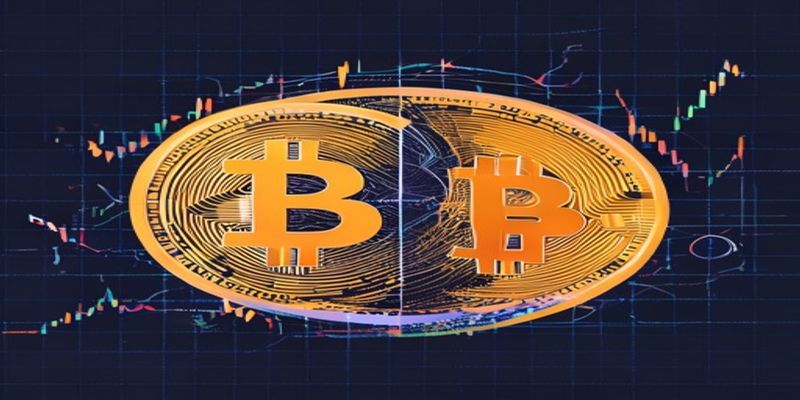
A hard fork is a permanent divergence. The new rules are so different that old blocks are rejected by the new chain, and vice versa. Nodes must upgrade or stay behind. If you’re holding coins on the original chain when a hard fork occurs, you’ll automatically own an equal amount of coins on the new chain too — provided you control your private keys.
Example: When Ethereum hard forked to create Ethereum Classic in 2016, every ETH holder got an equal amount of ETC. That’s free money — but only if you held in a wallet you controlled. Exchange users often got credited, but not always.
Soft Forks: The Backward-Compatible Upgrade
Soft forks are gentler. New rules are backward-compatible — old nodes still see the new blocks as valid. No new coin is created. Think of it like a software update your phone accepts without splitting the user base. Soft forks typically tighten rules (like reducing block size) without creating a separate chain.
For holders, soft forks are usually less dramatic. But they can still affect price action. A controversial soft fork might trigger sell-offs if traders fear centralization or censorship. Always check the community sentiment before the upgrade.
How Do Forks Affect Your Crypto Holdings?
Here’s where it gets real. Forks hit your portfolio in three concrete ways.
1. You Get New Tokens (Hard Fork Only). If you held Bitcoin before the Bitcoin Cash fork, you suddenly owned both BTC and BCH. The value of those new tokens depends on market reception. Some forks fizzle to near-zero; others, like Bitcoin Cash, launched at around $200 per coin.
2. Price Volatility on Both Chains. Forks create uncertainty. Will the new chain survive? Will the original chain lose value? In the week surrounding the 2017 Bitcoin Cash fork, Bitcoin’s price swung by over 30%. CoinDesk reported similar volatility around Ethereum’s 2022 Merge — a massive soft fork. You can profit from this volatility if you time your trades, but it’s risky.
3. Community Splits Can Kill Projects. A fork often signals deep disagreement. If the community fractures, developer talent and user adoption can drain from both chains. Look at Bitcoin SV — after its contentious fork from Bitcoin Cash, its value dropped over 90% from its peak. Holders who didn’t sell early got crushed.
4. Exchange and Wallet Support Matters. Not all exchanges support every fork. If you hold coins on an exchange that doesn’t credit you the new tokens, you miss out. Always check before a planned fork. Self-custody is the safest bet.
What Should You Do Before a Fork?
You can’t control whether a fork happens. But you can control how you prepare. Here’s a simple checklist.
- Move coins to a wallet you control. Hardware wallets like Ledger or Trezor are ideal. If you hold on an exchange, you’re trusting them to credit you — and they might not.
- Research the fork. Is it a hard or soft fork? Will new tokens be created? What’s the community consensus? Read the developer’s proposal and check forums like Reddit or Discord.
- Don’t trade during the fork. Prices swing wildly. Many traders get liquidated trying to catch the bottom or top. Wait 48-72 hours for the dust to settle.
- Consider tax implications. In many jurisdictions, receiving new tokens from a fork is a taxable event. Consult a tax professional. The IRS, for example, treats forked coins as income at their fair market value.
And here’s a pro tip: Some traders deliberately accumulate before anticipated hard forks to profit from the airdrop. But that’s speculation — not investing. Only risk what you can afford to lose.
Quick Questions
Q: Will I automatically get new coins from a hard fork?
A: Only if you hold your crypto in a wallet where you control the private keys. Exchange users may or may not receive the new tokens — it’s up to each exchange’s policy.
Q: Can a fork cause me to lose my original coins?
A: No. Your original coins remain on the original chain. But the price of those coins can drop significantly if the fork creates uncertainty or a more popular rival chain.
Q: How do I claim forked coins after the split?
A: Import your private keys into a wallet that supports the new chain. The new tokens will appear automatically. Never share your seed phrase or private keys.
Q: Are soft forks safer for holders?
A: Generally yes. Soft forks don’t create new coins and are backward-compatible. But they can still cause short-term price volatility, especially if the upgrade is controversial.
The Bottom Line
Blockchain forks aren’t just technical events — they’re portfolio events. A single hard fork can hand you free tokens worth thousands of dollars, while a contentious split can sink a project’s value by 50% or more. The smartest move? Hold in a wallet you control, do your research before the fork, and never trade during the chaos. Sec Crypto Regulation Updates 2026 – Complete Guide 2026 is a must-read before your next fork.
So next time you hear a fork is coming, don’t panic. Prepare. And remember: the best traders don’t react — they plan.